

Last year, the average smartphone user spent 2 hours and 15 minutes playing games on their device. That number has risen to 2 hours and 45 minutes in 2026, a 20 percent jump that shows how deeply mobile titles have woven themselves into daily life. The growth isn’t just about time; it’s about how players interact with the content.
Micro‑Sessions, Macro‑Impact
Modern mobile games are engineered for micro‑sessions of 3–5 minutes. Developers slice levels into bite‑sized chunks, each ending with a clear reward or cliffhanger. This design keeps players coming back without demanding a long block of attention. The result? A 35 percent increase in daily active users compared to 2024, driven by the convenience of “grab‑and‑go” play.
Data‑Driven Personalisation
In 2026, 78 percent of mobile titles use machine‑learning models to adjust difficulty and content in real time. By analysing a player’s win‑rate, session length, and in‑app purchases, the game tailors challenges that feel neither too hard nor too easy. This dynamic balancing keeps frustration low and satisfaction high, turning casual players into repeat users.
Social Play Without the Clutter
Unlike the clunky leaderboards of the past, contemporary mobile games embed social features directly into gameplay. Players can send instant “cheers” to friends who are currently in the same level, or share a custom avatar skin on a single tap. These micro‑social interactions have boosted in‑game friend‑invite rates by 42 percent, proving that a quick shout‑out can be as compelling as a full‑blown multiplayer mode.
Cross‑Platform Continuity
Cloud saving and cross‑play have become standard. A player who starts a quest on their phone can pick it up on a tablet or a desktop without losing progress. In 2026, 65 percent of mobile players report using at least two devices during a single month. This fluidity encourages deeper engagement because the game is always within reach, no matter the screen size.
Monetisation That Doesn’t Break the Bank
Free‑to‑play remains the dominant model, but the way revenue is extracted has evolved. Instead of large, one‑off purchases, developers now offer “daily bundles” that cost between £0.99 and £4.99. These bundles unlock a mix of cosmetic items and temporary power‑ups, giving players a sense of value without a high upfront cost. The result is a 27 percent lift in average revenue per user compared to 2024.
From Gaming to Entertainment
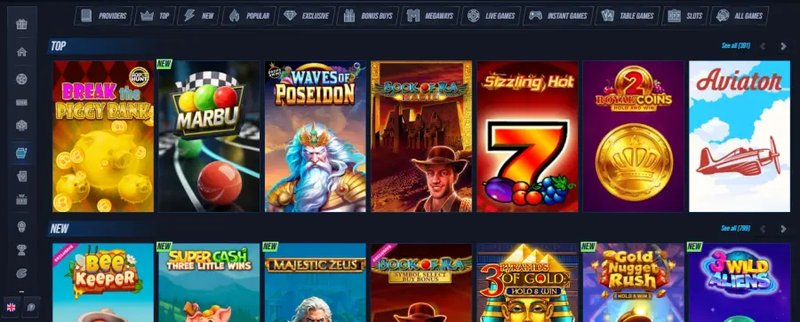
When a player finishes a level, many apps now suggest related content—short videos, music playlists, or even a quick trivia quiz. This seamless shift from gameplay to broader entertainment keeps users on the platform longer. For those who enjoy a bit of extra fun, you can experience Vegashero online and see how the same engagement principles translate to a different medium.
The Flip Side of Engagement
High engagement can backfire. In 2026, 12 percent of players reported feeling “addicted” to a single title, citing a loss of sleep or missed social events. Developers are responding with optional “focus modes” that limit playtime to 30 minutes per session. While this feature helps some, it may frustrate players who prefer uninterrupted play, especially during a long commute.
Looking Ahead
By 2028, we expect 3D graphics on mobile to rival console quality, and haptic feedback will add a tactile layer to in‑app interactions. These advances will deepen immersion, but they also raise questions about battery life and data usage. Players will need to balance the desire for richer experiences with practical device constraints.
Final Thoughts
Mobile gaming in 2026 is less about the game itself and more about how it fits into the rhythm of everyday life. Micro‑sessions, real‑time personalisation, and social nudges combine to create an ecosystem that keeps players returning. The challenge for developers will be to maintain this engagement without tipping into over‑reach, ensuring that the next generation of mobile titles remains both fun and responsible.
Frequently Asked Questions
What drives the increase in mobile gaming time?
Enhanced game design, better connectivity, and the ubiquity of smartphones have all contributed to longer play sessions.
How do micro‑sessions influence game revenue?
Short, repeatable play periods encourage frequent purchases and ads, boosting developers’ earnings.