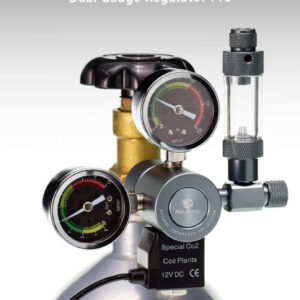
Description
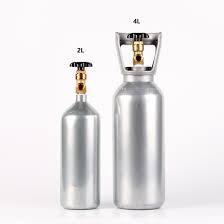
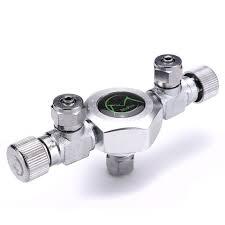
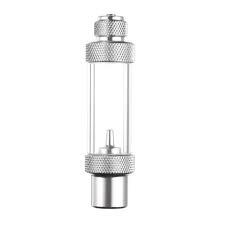
The AQUAPRO CO2 Regulator Dual Gauge is a professional-grade control unit designed to safely and precisely manage the flow of carbon dioxide from high-pressure cylinders into your aquarium. It is a critical component for any high-tech planted tank setup.Key Features & BenefitsDual Gauge Display:High-Pressure Gauge (Tank Pressure): Shows you exactly how much (text{CO}_{2}) is left in your cylinder, so you know when it’s time for a refill.Low-Pressure Gauge (Working Pressure): Shows the output pressure going to your tank, allowing for precise adjustments to ensure efficient diffusion through ceramic discs.Integrated Solenoid Valve: Allows you to automate your (text{CO}_{2}) system. You can connect it to a standard light timer or a pH controller to turn the gas off at night, saving gas and keeping your fish safe.High-Precision Needle Valve: Features a fine-tuning knob that allows you to adjust the “bubble rate” with extreme accuracy, which is essential for smaller tanks.Built-in Bubble Counter: Most AQUAPRO dual-gauge models include an integrated bubble counter with a built-in check valve to prevent aquarium water from siphoning back into the regulator.Technical SpecificationsInterface: Usually standard W21.8 or CGA-320 (depending on your region), making it compatible with the 2kg, 3kg, and 5kg cylinders we discussed earlier.Material: Constructed from high-quality aluminum alloy or brass for durability and leak prevention.Safety Valve: Includes a built-in pressure relief valve that automatically releases gas if the internal pressure becomes too high.Why Choose a Dual-Gauge over a Single-Gauge?The biggest advantage is predictability. A single-gauge regulator only tells you the output pressure. With a dual-gauge system, you can see the tank pressure dropping over time, preventing the “end-of-tank dump” where a nearly empty tank might suddenly release a large amount of gas, which can be fatal to fish.Pro Tip: Always tighten the regulator onto the cylinder using a wrench rather than just your hands, and ensure a nylon washer is in place to create a gas-tight seal.Would you like a step-by-step guide on how to prime and leak-test this regulator for the first time?